This post may contain affiliate links. If you book or buy through them, I may earn a small commission at no extra cost to you. Learn more.
When I first started calling myself a homemaker, I thought there was supposed to be a system. A binder, maybe. Color coded chore charts, a cleaning caddy for every room, a Sunday where I planned the whole week and never fell behind. I chased that version of it for a while, and all it did was make me feel like I was failing at something that was supposed to feel like home.
So if you are new to this and you feel a little overwhelmed, I want to start by telling you the thing I wish someone had told me. Homemaking is not a system you install. It is a handful of small rhythms you build slowly, and then live inside of. That is it. You do not need to be good at all of it on day one. You just need to start somewhere small enough that you will actually keep going.
I do this from a green farmhouse in Long Grove with a one year old named Lochlan underfoot, a dog named Dewey who sheds like it is his job, and a cat named Delilah who supervises everything from the windowsill. My partner Danny and I are still figuring out how this house runs. Some days it hums. Some days there is a laundry mountain on the couch and cereal on the floor. Both of those days count as homemaking. I promise.
Start With One Rhythm, Not a Whole System
The biggest mistake I made early on was trying to change everything at once. I would read some long list of homemaking habits and try to adopt all twenty of them by Monday. By Wednesday I had dropped every single one, because that is what happens when you ask a tired person to become a different person overnight.
What actually worked was picking one rhythm and letting it get boring before I added anything else. For me the first one was a load of laundry a day. Not a laundry day, where it all piles up into a weekend you dread. Just one load, most days, start to finish. Wash it in the morning, move it after lunch, fold it while Lochie plays on the floor near me. Once that stopped feeling like a task and started feeling like just something I do, I added the next thing.
If you are staring at your whole house wondering where to begin, do not begin with the whole house. Pick the one thing that stresses you out the most when it piles up. For a lot of people that is dishes, or laundry, or the mail that breeds on the counter. Make that one thing a daily rhythm first. Give it a few weeks. Then, and only then, add the next.
The Daily Reset That Saves My Whole Day
If I could hand one habit to a new homemaker, it would be the reset. This is not a deep clean. It is a short, repeatable tidy that puts the main rooms back to a calm baseline, so you wake up to a house that is on your side instead of one that is already yelling at you.
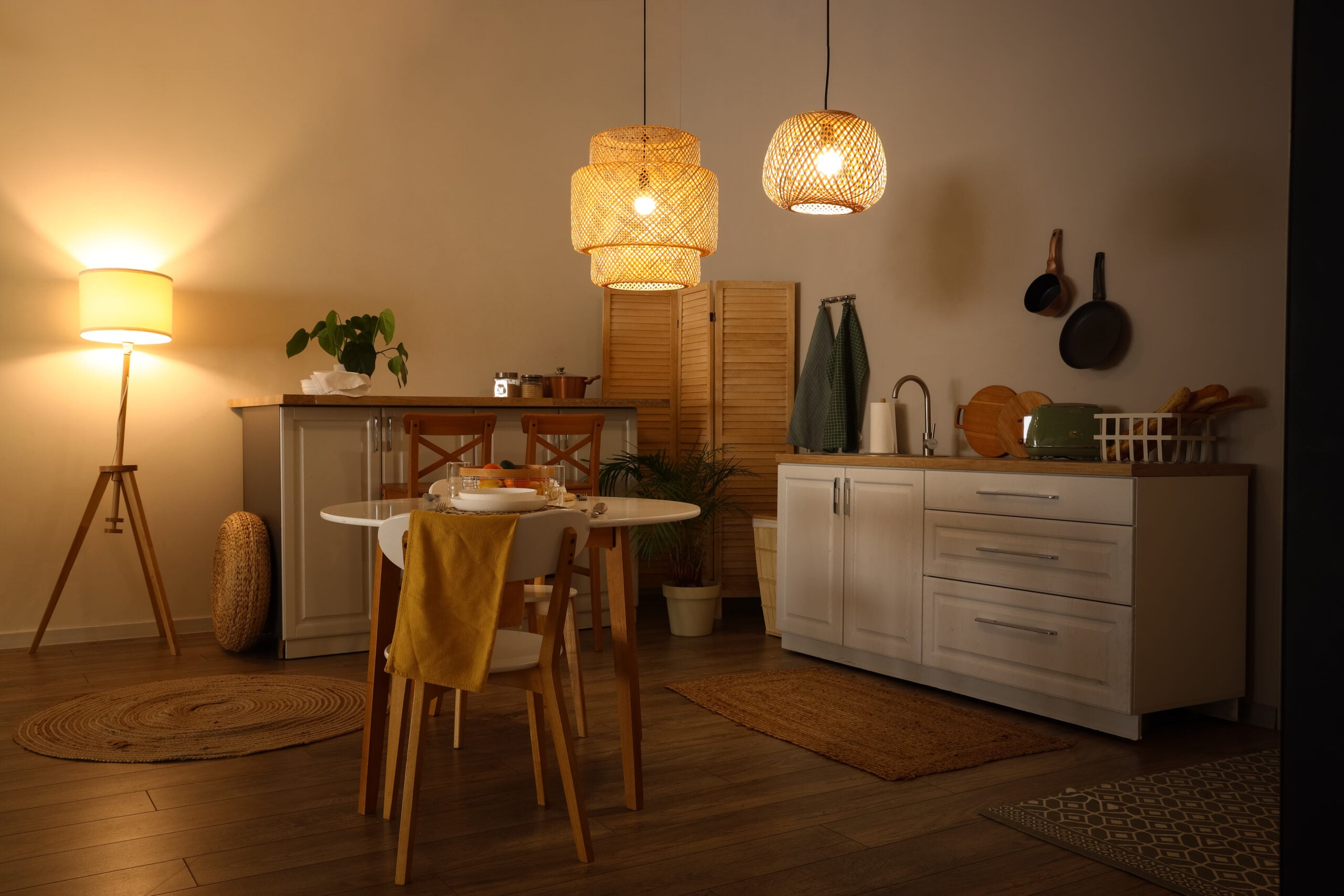
Mine takes about fifteen minutes and I do it after Lochlan goes down for the night. I clear the kitchen counters and start the dishwasher. I do a quick lap of the living room and put the toys back in their basket. I wipe the table, shake out the couch blankets, and set the coffee up for the morning. That is the whole thing. I am not scrubbing baseboards at nine at night. I am just resetting the stage so tomorrow morning has a running start.
Here is the part that matters, especially if you are the type to go all or nothing. A messy reset still counts. If I only get the kitchen done and the living room stays a little wild, that is fine. The point is not a perfect house. The point is momentum. A small reset you actually do beats a perfect routine you abandon by Thursday.
I will also say this. I have an autoimmune disease, and there are days my body simply does not have fifteen minutes of standing and tidying in it. On those days the reset shrinks to clearing the sink and nothing else, and I have made my peace with that. Homemaking that ignores your actual body is not sustainable, and sustainable is the entire goal.
Cook From Scratch, But Keep the Bar on the Floor
Cooking is the part of homemaking that pulled me in the most, and also the part that intimidated me the longest. I had this idea that from scratch meant elaborate, that I needed to be making sourdough and slow roasts and homemade everything or it did not count. That is a fast way to burn out and order takeout with a side of guilt.
What actually made me a home cook was lowering the bar until I could clear it on a bad day. I keep a short rotation of maybe eight meals we all like and I can make half asleep. Beans and rice. A big pot of soup. Eggs and toast for dinner, which is a completely respectable meal and I will not hear otherwise. Once those were automatic, cooking stopped feeling like a performance and started feeling like a rhythm, the same as the laundry.
The two things that helped most were a well stocked pantry and a cast iron skillet I use for almost everything. When the pantry has the basics, dinner is a decision, not an emergency. And a good skillet makes simple food taste like you tried harder than you did. Start there. Pick three or four meals you can make without a recipe, keep the ingredients for them on hand, and let the fancy stuff come later, if it comes at all.
Meal planning does not have to be a spreadsheet either. Mine is a scrap of paper on the fridge with four or five dinners for the week, no assigned days, just a list I pull from so I am never standing in front of the fridge at five o’clock with a hungry toddler and no plan. That is the whole trick. Decide once, when you are calm, so you do not have to decide again when you are not.
🛒 A few things I use for this
The simple, unfussy stuff that actually earns its place in our house:
- A cast iron skillet that does most of our cooking
- A linen apron I basically live in
- Glass spray bottles for my homemade cleaner
- Castile soap, the base for most of what I clean with
- Wool dryer balls instead of dryer sheets
As an Amazon Associate I earn from qualifying purchases.
Make It Feel Good, Not Just Clean
This is the part the beginner checklists almost always leave out, and it is the part that made me fall in love with homemaking instead of just tolerating it. A home can be spotless and still feel cold. What you are really building is not a clean house. It is a place that feels good to be inside of.
For me that is mostly small, cheap, sensory things. I open the windows in the morning even when it is a little too cold, because moving air makes the whole house feel alive. I light a candle in the afternoon. I keep the lamps on instead of the overhead lights at night because the softer glow makes even a messy room feel calm. I switched most of our cleaning over to homemade and low tox versions, partly because of my autoimmune disease and partly because I just like the way the house smells when it is not fighting me with chemicals.
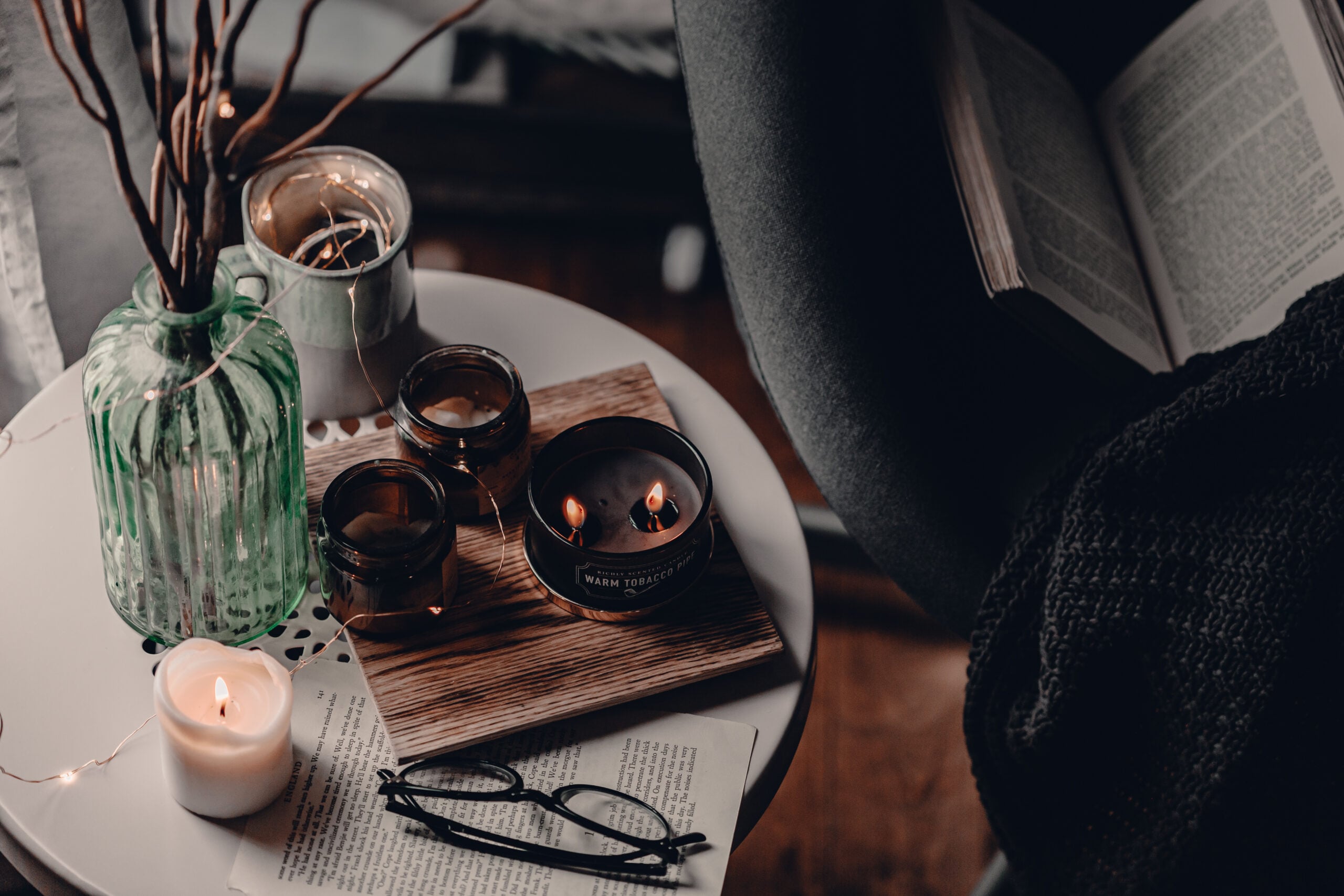
None of that is about being fancy. It is about noticing what makes your particular home feel like a soft place to land, and doing a little more of it. Maybe for you it is fresh flowers from the yard, or making the bed every morning, or a certain playlist while you cook. These things are not extra. They are the actual reason to do any of the rest of it.
I came to slow living and homemaking through a hard season, through grief, and through wanting to build a life that felt intentional instead of rushed. So when I say make it feel good, I do not mean decorate for the internet. I mean make the place where you live actually feel like yours, in the quiet ordinary way that you are the only one who notices.
Give Yourself a Long Runway
If you take one thing from all of this, let it be that homemaking is a skill you grow into, not a test you pass. Nobody is handed a home that runs beautifully. You build the rhythms one at a time, you fall off them, you start again, and after a while you look up and realize the house mostly takes care of itself because you finally stopped trying to do it all at once.
So pick your one rhythm this week. Just one. Let it get boring. Keep the bar low enough that a tired version of you can still clear it. Add the reset when you are ready, then a couple of easy meals, then the little things that make the whole place feel warm. That is the entire method, and it is enough. Your home does not need you to be perfect. It just needs you to keep showing up, in the small ordinary ways, day after day.

