This post may contain affiliate links. If you book or buy through them, I may earn a small commission at no extra cost to you. Learn more.
We’re in zone 5b here in Long Grove, and if you garden in the Midwest you already know that means a short, intense growing season sandwiched between a frost that lingers into May and one that shows up again in October. I’ve spent a few seasons now figuring out what to grow in a Midwest garden that actually earns its keep, and I’ve killed plenty of things learning it. This is the honest version. Not a master list of everything that’s technically possible, just what works in our beds, in our clay soil, with the amount of time I actually have.
I came to gardening the same way I came to most of this slow life, slowly and a little stubbornly. I wanted to grow the food we eat. Some of it worked the first year. A lot of it didn’t. Here’s where I’ve landed.
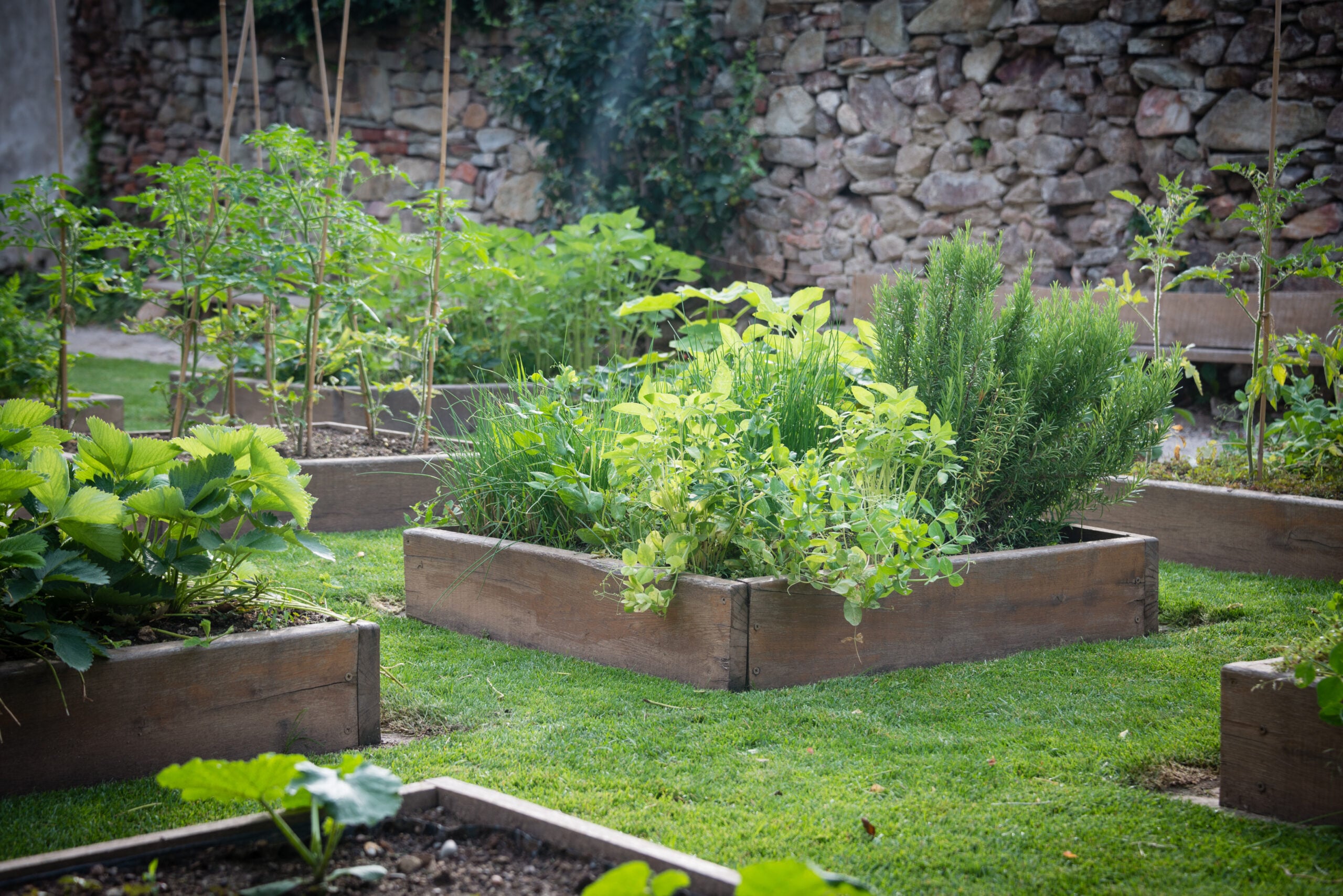
Know Your Zone Before You Buy a Single Seed
The most useful thing I did was stop shopping by what looked pretty on the seed packet and start paying attention to our frost dates. Most of the Midwest sits somewhere in zones 4 through 6. We’re 5b, which gives us a last frost around mid-May and a first frost in early to mid-October. That’s roughly a five month window, and it changes everything about what you can grow and when.
Warm-season crops like tomatoes and peppers can’t go in the ground until the soil warms up and the frost danger has passed, so I start those inside or buy starts. Cool-season crops like lettuce, peas, and kale actually prefer the cold shoulders of the season, spring and fall, and will bolt or turn bitter in July heat. Once I understood that split, my whole garden calendar made sense.
The Vegetables That Actually Earn Their Space
I have a finite amount of room and energy, so a plant has to pull its weight to get a spot. These are the ones that do it for us every year.
Tomatoes are the obvious one, and they thrive in our long, hot Midwest summers. I grow more than I think we’ll need because I turn the extras into sauce, and there’s nothing like opening a jar of that in February. Green beans are the easiest win I know. You put the seed in the warm ground, and it grows. Zucchini and summer squash produce so much that by August I’m leaving them on neighbors’ porches, which is its own Midwest tradition.
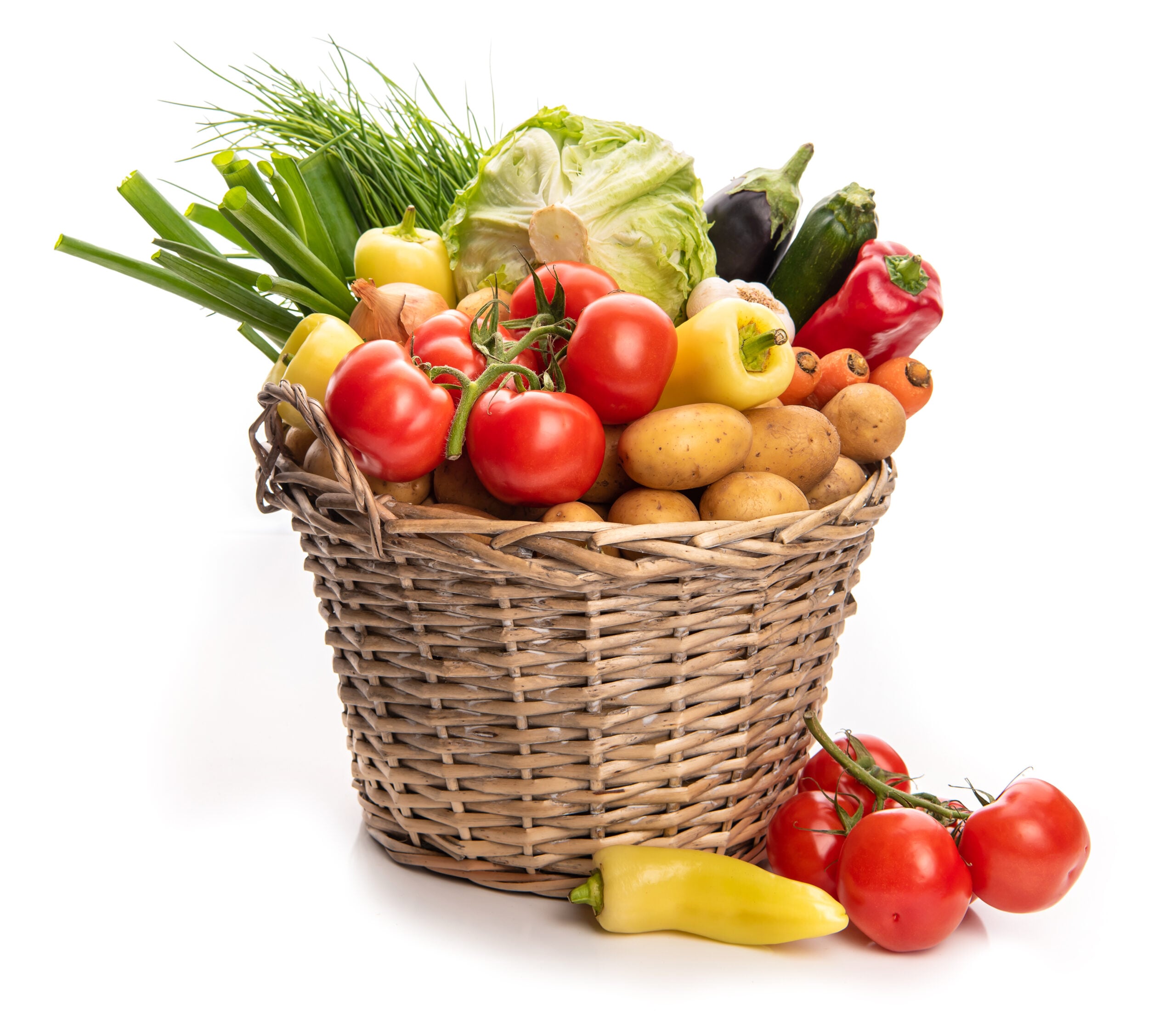
Garlic deserves more attention than it gets. You plant it in the fall, ignore it all winter under a blanket of mulch, and pull fat heads out of the ground the next summer. It grows so well here it feels like cheating. Lettuce and other greens are my spring and fall staple, and herbs earn a permanent spot too. Basil next to the tomatoes, and thyme and chives that come back on their own every year without me lifting a finger.
🛒 A few garden things I actually use
- A raised garden bed for better soil and drainage
- Seed starting trays for getting a head start indoors
- A vegetable seed collection to plan the season
- Good gardening gloves that hold up to clay soil
As an Amazon Associate I earn from qualifying purchases.
What I Plant for a Second Harvest in Late Summer
This is the part a lot of Midwest garden lists skip, and it’s the reason I’m writing this in late July. Our season isn’t over in August. It’s actually the moment to plant again for fall.
Right about now I clear out the spots where the peas and early lettuce gave up in the heat, and I put in a second round of cool-season crops. Lettuce, spinach, kale, and radishes all have time to size up before that October frost, and honestly they taste better grown into the cool nights of September than they ever do in spring. Radishes are ready in a month, so they’re a nice quick win to end the season on.
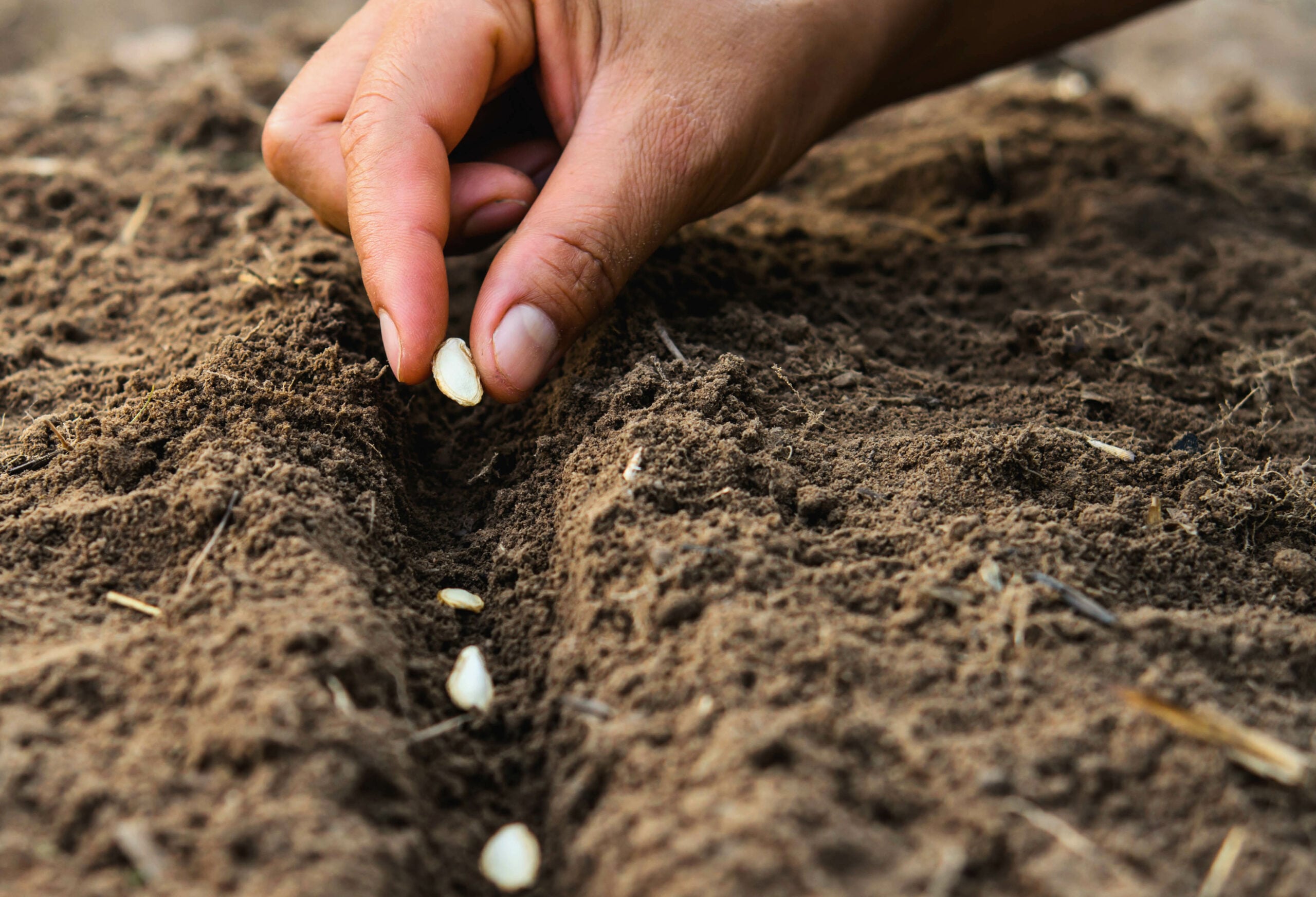
And the biggest late-season job is garlic, though that waits until October. I plant the cloves a few weeks before the ground freezes, tuck them in under mulch, and forget about them until they surprise me next summer. If you only add one new thing to your Midwest garden, make it fall-planted garlic.
What Didn’t Work, and What I Stopped Fighting
I don’t want to make this sound easier than it is. Plenty of things have flopped for me. My first year I tried to grow melons and got exactly one sad, softball-sized cantaloupe for all my trouble. Our season just isn’t quite long or reliably hot enough for them without a lot of babying, so I let that dream go.
Cauliflower is fussy here and rarely worth the space it takes. And I’ve made peace with the fact that some years the tomatoes get hit with blight no matter what I do, because that’s gardening in a humid Midwest summer. On the days my body isn’t cooperating, and I have an autoimmune disease that makes some days hard, the garden waits. The weeds win a little. Everyone still eats. That’s allowed.
The point of growing food, for me, was never a perfect harvest. It was putting my hands in the dirt, watching something come up that I planted, and feeding my family from a few feet outside the back door. A Midwest garden gives you that, even the messy version of it.
Start With Three Things
If you’re staring at an empty bed and don’t know where to begin, don’t try to grow everything. Pick three. Tomatoes, green beans, and a handful of lettuce will teach you more in one season than any amount of reading. You’ll learn your soil, your light, and your frost, and next year you’ll know exactly what to add.
Pull up a chair, or better yet, a garden kneeler. There’s no rush out here either.

