This post may contain affiliate links. If you book or buy through them, I may earn a small commission at no extra cost to you. Learn more.
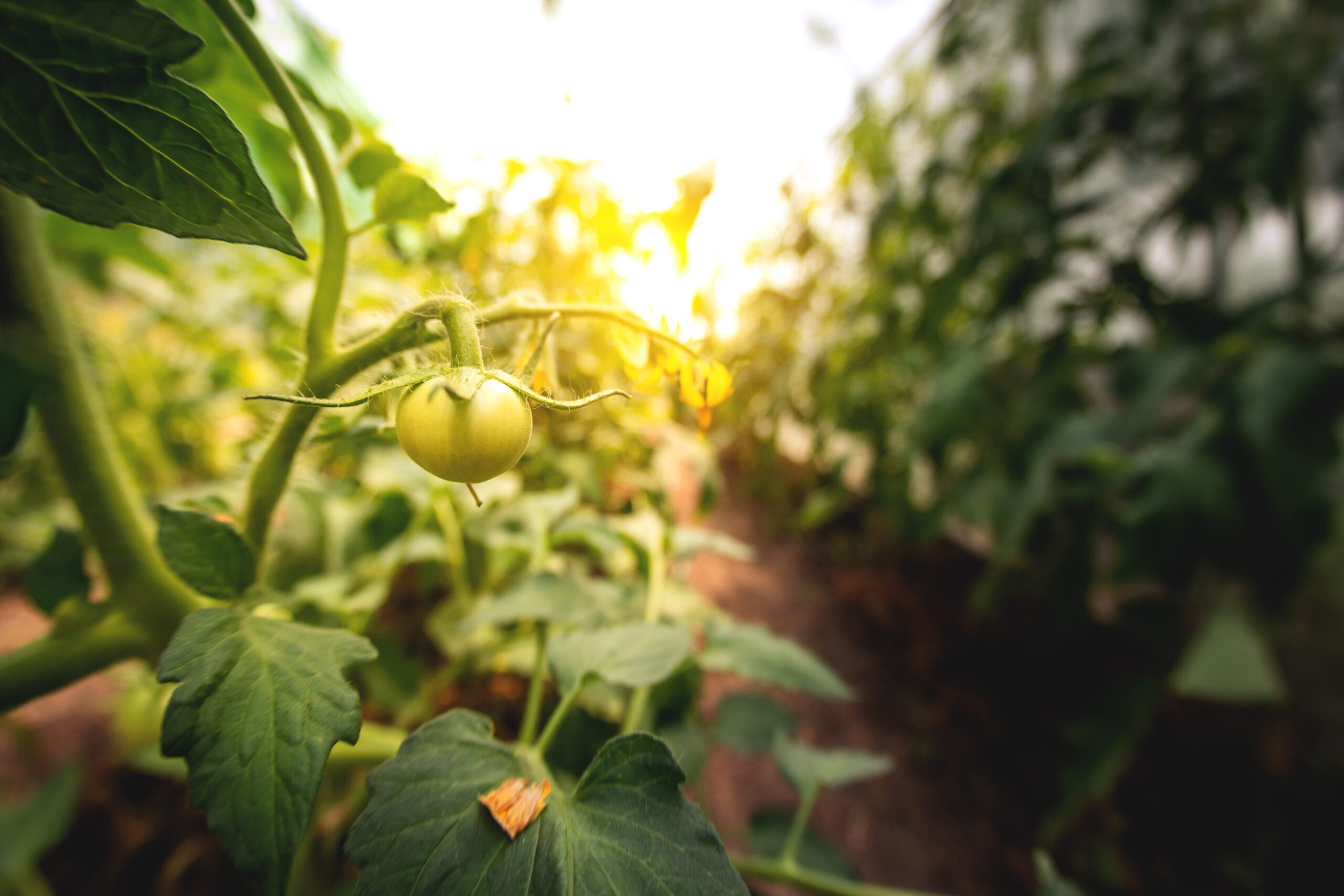
Every year around the end of September I go out to the raised beds Danny built and take stock of what is still hanging there. The vines look rough by now. The leaves are yellowing at the bottom, the plants are leaning into each other, and the fruit that is left is mostly hard and green and going nowhere fast. Our first frost in Long Grove usually lands somewhere in the middle of October, and once it hits, every tomato still on the vine is done.
So the question I get every fall, and the one I used to ask myself, is what to do with green tomatoes when the season runs out before they do. The short answer is that you sort them into three piles. Some will ripen on your counter, some will ripen slowly in a box in the basement, and some are never going to turn red no matter what you do, so you cook those ones green. That is the whole system, and it takes about twenty minutes to set up.
Start by sorting the bucket
This is the part most of the advice online skips, and it is the part that actually matters. Not every green tomato is the same kind of green.
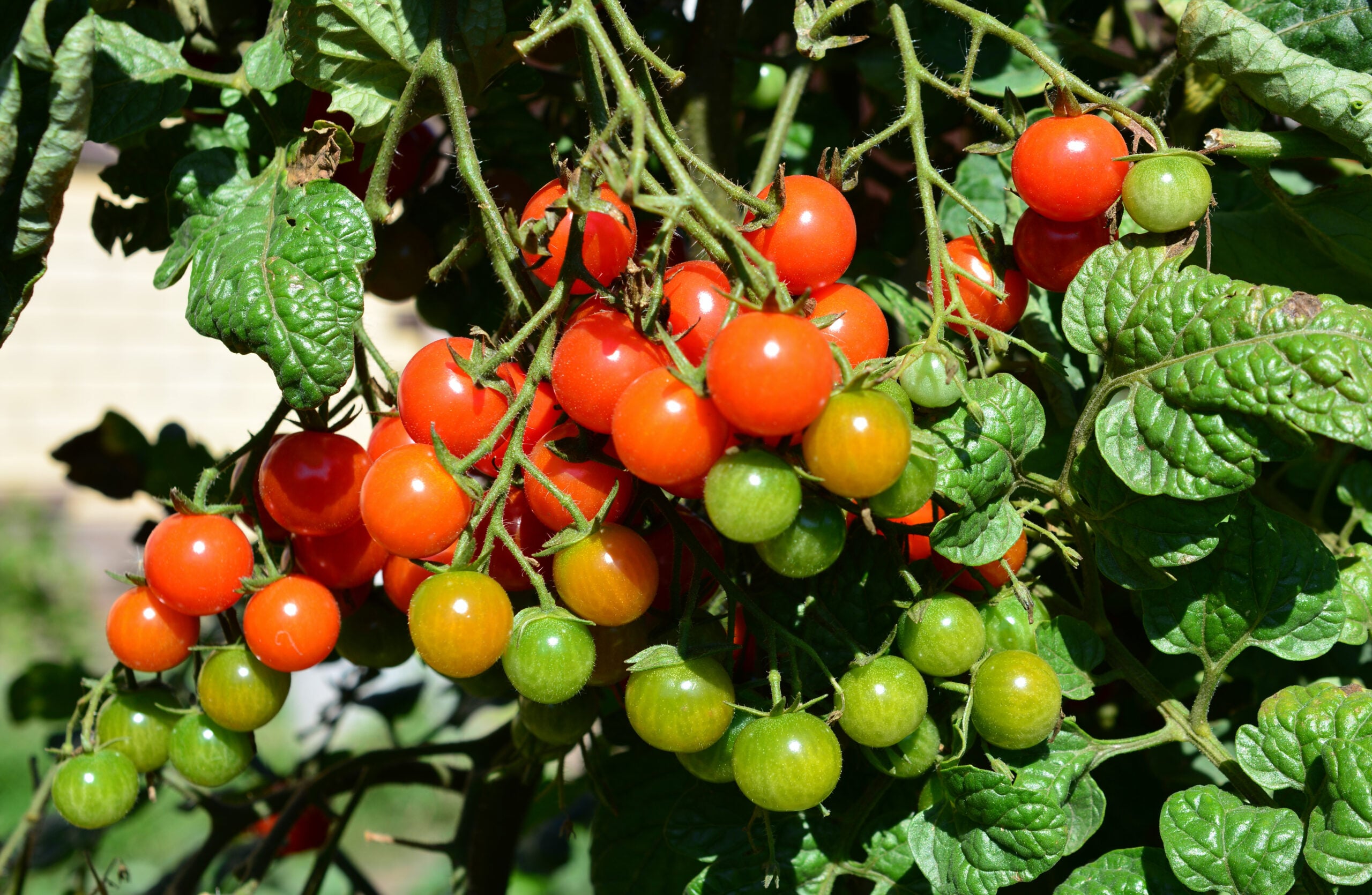
Pick up each one and look at two things: size and color. A tomato that has reached its full size for that variety has already made the starches it needs, and it will ripen off the vine. A Roma the size of your thumb will not. It ran out of season before it ran out of growing, and no paper bag is going to fix that.
Then look for the color break. Hold it in good light and check the blossom end, the bottom, for any shift away from that hard grass green. It might be the faintest cream or a blush of pale pink. That is called the breaker stage, and it means the tomato has already started the process on its own. Those are your best candidates by a wide margin.
So, three piles:
- Full size with a color break. These ripen fastest and taste closest to a real garden tomato. Counter pile.
- Full size, still fully green, no blemishes. These will ripen, they just take longer. Box pile.
- Undersized, cracked, soft spots, or nibbled. These are never ripening well. Cook pile, and use them within a few days.
Anything with a split or a soft brown patch goes straight to the cook pile no matter how big it is, because one rotting tomato in a closed box will take the whole box with it. I learned that the expensive way. Dewey helps with the sorting by stealing whatever rolls onto the grass, which is its own kind of quality control.
How I ripen green tomatoes indoors
Ripening is not complicated, but almost everything I read about it leaves out the specifics, so here is exactly what I do.
First, wash nothing. Water on the skin invites mold, and these are going to sit for weeks. Wipe off dirt with a dry cloth and leave it at that. Pull the stems and any bits of vine off too, because the stem end is where rot usually starts.
The counter pile goes in a single layer on a sheet pan, stem side down, out of direct sun. Somewhere around 65 to 70 degrees is right. Most of those will be ready in one to two weeks. Direct sun sounds helpful and is not. It softens the skin before the inside catches up, and you end up with a mealy tomato.
The box pile goes into a shallow cardboard box or a paper grocery bag, one layer deep, with a sheet of newspaper between layers if I have to stack. I keep that somewhere cooler and darker, around 55 to 60 degrees. Ours goes in the basement near the stairs. Cooler means slower, and slower is the whole point, because you want them coming ripe over six or eight weeks instead of all at once. If I want to speed a batch up, I put a banana or an apple in with them. The ethylene does the work.
Then check them. Actually check them, once a week, hands on every single one. Pull anything soft or spotted. This takes five minutes and is the difference between eating tomatoes in November and throwing out a box of fuzz in October.
Ripened this way they are good. Not July good. They are softer and less sweet than a tomato that finished on the vine in August, and I would not build a caprese salad around one. For sauce, soup, chili, and anything roasted, you would never know. I usually funnel the ripened ones straight into my roasted garden tomato sauce, which freezes flat and carries us most of the winter.
The ones that stay green, and what I cook with them
Now the cook pile. A firm green tomato is not a failed red one. It is a different vegetable, tart and dense, closer to a tomatillo than to anything you would slice for a sandwich. Once I stopped thinking of them as a disappointment they got a lot more useful.
Three things I actually make, in order of how often:
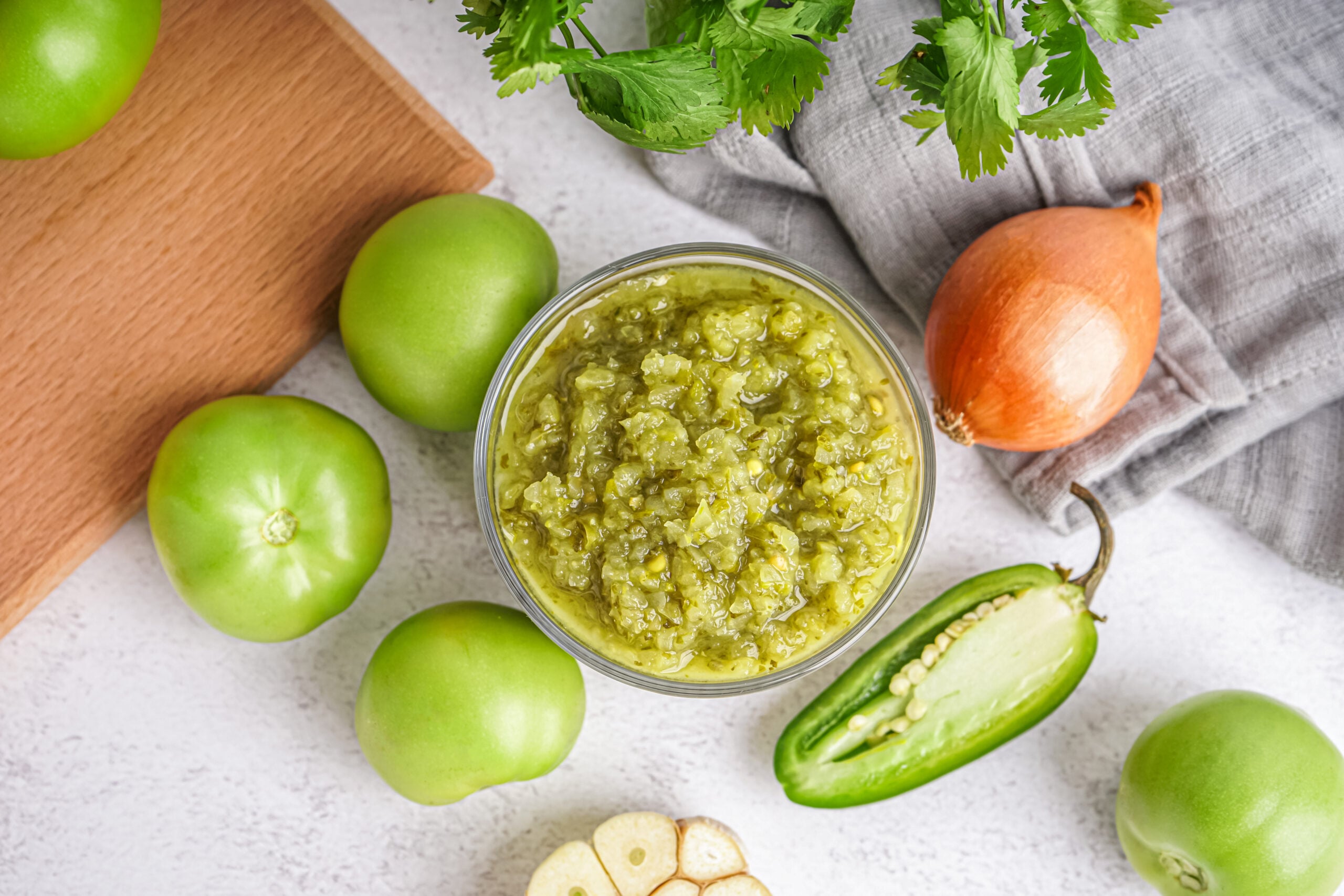
Green tomato salsa. Halve the tomatoes, throw them on a sheet pan with a quartered onion, a few garlic cloves, and a jalapeño if you want heat. Same 425 degree oven I use for red sauce, about 30 minutes, until everything collapses and browns at the edges. Blend with lime juice, salt, and cilantro. It is bright and a little sour and it keeps a week in the fridge. This is the one that disappears fastest here.
Green tomato chutney. Chopped green tomatoes, a diced apple, an onion, brown sugar, cider vinegar, and whatever warm spices you like. Simmer it uncovered for an hour until it is thick and jammy. It uses up a lot of tomatoes at once, which is the real appeal, and it is very good with sharp cheddar and a sandwich. I keep it in jars in the fridge instead of canning it, because I would rather eat it in six weeks than shelf stabilize it.
Fried green tomatoes. Quarter inch slices, salted and left to sit ten minutes, then flour, egg, cornmeal, into a cast iron skillet with a shallow layer of oil. I make these maybe twice a season. They are a project and they are worth it exactly twice.
One thing I do not do anymore is pickle them. I made quarts of green tomato pickles two years running and we did not eat them. If you love a pickle, go ahead. I am just not going to pretend it worked here.
🛒 A few things I use for this
- Brown paper grocery bags for the slow-ripening batches
- Wide mouth pint mason jars for chutney and salsa in the fridge
- A 12 inch cast iron skillet for the fried ones
- Half sheet pans for roasting and for the counter pile
- A harvest basket for getting them all inside in one trip
As an Amazon Associate I earn from qualifying purchases.
What I stopped doing
A few years of this and I have dropped some of the standard advice.
I do not pull the whole plant and hang it upside down in the garage anymore. It works, people are not lying about that, but it takes up the entire garage, it drops dirt and leaves everywhere, and the results were not better than a box in the basement. Danny was also not thrilled about the garage.
I do not wrap each tomato in newspaper individually. That is real advice from real gardeners and it does slow things down nicely, but it means unwrapping every tomato to check it, and I know myself. If checking takes too long I will not do it.
And I stopped picking everything the moment the forecast says frost. A light frost, the kind that whitens the grass and burns off by nine, does not usually kill fruit that is still on healthy vines. It is the hard freeze that ends it. So I watch for the low twenties, not the first mention of frost, and I get a couple more weeks of ripening on the vine that way. If you are still figuring out your own timing, the frost dates in what actually grows well in a Midwest garden are the ones I plan the whole fall around.
The other thing I would tell you is that a huge pile of green tomatoes at the end of September usually means the plants went in late, or they were crowded, or they were shaded. Not a moral failing. It is information for next year. Fall is honestly the best time to fix that kind of thing, which is most of why I wrote about starting a garden from scratch in the fall instead of in spring like everyone else.
Most of what is in that box will be red by Thanksgiving. Some of it will not, and I will roast those green with an onion and call it dinner, which is pretty much what my from-scratch meal prep turns into once the garden is finished. Lochlan is nineteen months old now and spends most of the picking standing at the edge of the bed handing me tomatoes one at a time, ripe or not, which is roughly how the sorting pile gets so big in the first place.
If you have a bucket on your counter right now, start with the sort. Everything else follows from it.

