This post may contain affiliate links. If you book or buy through them, I may earn a small commission at no extra cost to you. Learn more.
The first Thanksgiving we hosted in this house, I had one oven, a turkey that needed all of it, and a bowl of roll dough sitting on the counter with nowhere to go. I stood in the kitchen at four in the afternoon doing oven math and realized the rolls were going to lose. We ate them at seven, after the pie.
So now I make make-ahead dinner rolls instead. The dough gets mixed and shaped on a day when nothing else is happening, and on Thanksgiving I slide a cold pan straight into the oven while the turkey rests. Same rolls. None of the four o’clock panic.
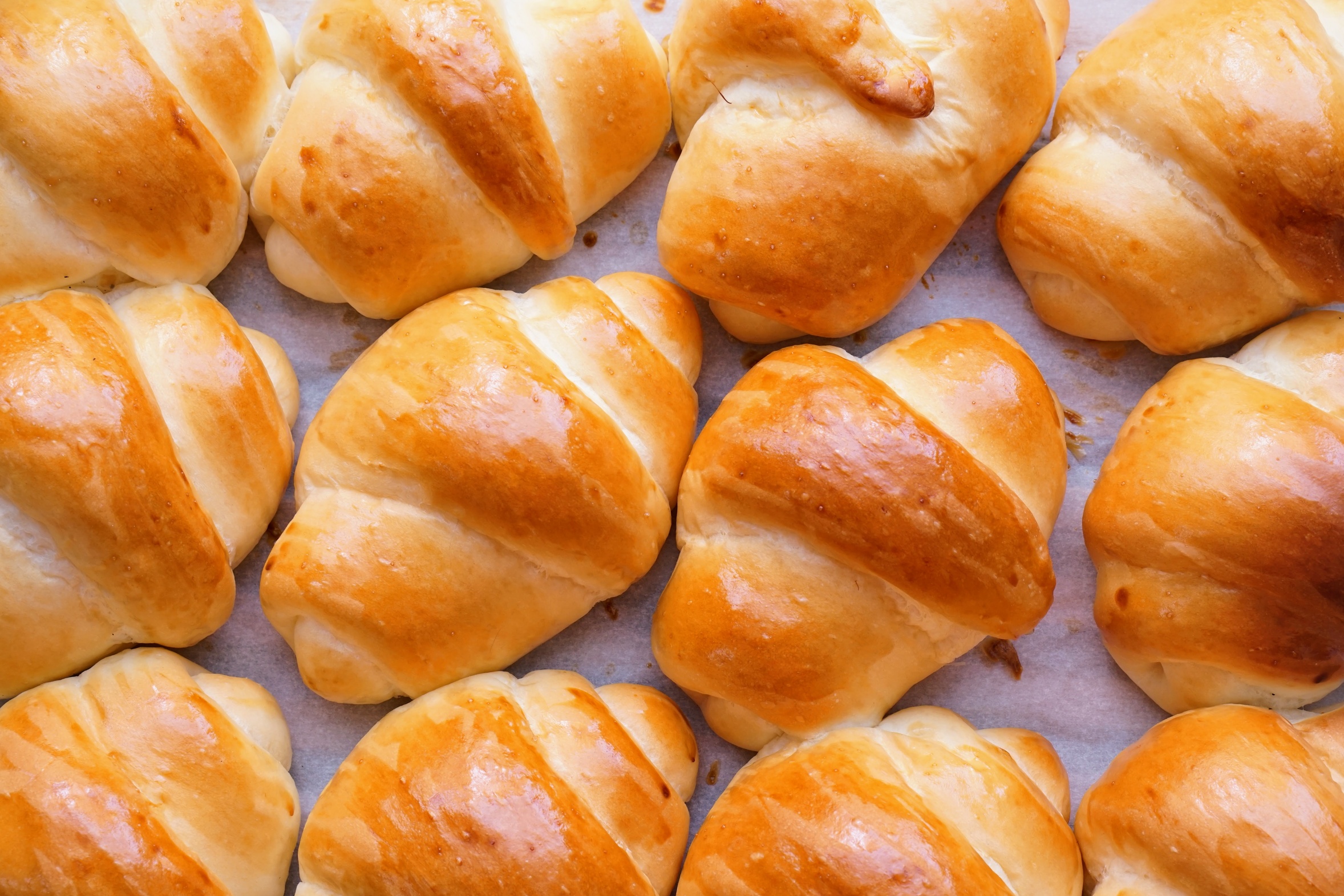
The short version
Mix and shape the rolls up to two days ahead, tuck them into the pan, cover it, and refrigerate. The cold slows the second rise down to almost nothing, so they sit there and wait for you. On the day, pull the pan out, let it stand on the counter for about an hour while the oven heats, then bake.
If you need more than two days of lead time, shape the rolls and freeze them raw. That works, and I walk through it further down, because almost every recipe I read either skips it or admits in the comments that they never tested it.
Why I stopped baking rolls the morning of
Bread does not care what else is happening in your kitchen. It rises when it is warm and it slows down when it is cold, and that is the entire trick here. Once I understood that the fridge was a pause button and not a compromise, holiday baking got a lot less stressful.
There is a less cheerful reason too. I have an autoimmune disease, and the days I pay for later are the ones where I try to do everything standing up between eight in the morning and six at night. Splitting a recipe across two days is not me being especially organized. It is me being honest about what my body will actually do on a Thursday. The same thinking is behind most of what we are cutting from the holidays this year, and most of how I cook on low-energy days.
Danny has learned to stop asking why there is a sheet pan of raw dough in the fridge in the middle of November.
What you need
- 4 cups all-purpose flour (about 500g)
- 2 1/4 teaspoons instant yeast (one packet)
- 1 cup whole milk, warmed to just barely above body temperature
- 1/4 cup sugar
- 1/4 cup butter, softened, plus more for the pan and the tops
- 1 egg, room temperature
- 1 1/2 teaspoons salt
That makes 15 rolls in a 9×13 pan, or 24 smaller ones if you are feeding a crowd and want them pull-apart close.
A few things I use for this 🛒
- Instant yeast, which I keep in the freezer and buy in a jar rather than packets
- A 9×13 ceramic baking dish, because it goes fridge to oven without complaint
- An instant-read thermometer, which is the only way I know for certain the middles are done
- A digital kitchen scale for making the rolls the same size, which matters more than it sounds like it does
As an Amazon Associate I earn from qualifying purchases.
Day one: mix, shape, chill
Warm the milk and stir in the sugar and yeast. Let it sit about five minutes until it looks foamy on top. If nothing happens, your yeast is dead and it is better to find that out now than on Thanksgiving morning.
Add the egg, the softened butter, the salt, and most of the flour. Mix until it comes together, then knead for about eight minutes by hand or five in a stand mixer. The dough should end up soft and slightly tacky. Resist adding flour until it stops sticking to you, because that is how rolls turn out dense and dry. A little stickiness is the point.
Cover and let it rise somewhere warm until doubled, about an hour to an hour and a half. Our farmhouse kitchen runs cold in late October, so I put the bowl on top of the refrigerator where the air is warmer.
Punch it down and divide it. Weigh the whole mass, divide by the number of rolls you want, and portion by weight. Roll each piece into a ball under your cupped palm against the counter until the top goes smooth. Arrange them in a buttered pan with a little space between them.

Now cover the pan tightly and put it in the refrigerator. Do not let it do a second rise first. Do not brush anything on top yet. That is it for day one.
They are good in the fridge for up to 48 hours. I have pushed to 72 and the rolls were fine but slightly more sour, in a way I actually liked and Danny did not notice.
Day two: the hour that matters
Take the pan out and leave it on the counter, still covered, for about an hour. This is the step people skip and then wonder why the middles are raw. Cold dough that goes straight into a hot oven sets on the outside before the inside has any chance to rise.
You are looking for the rolls to have visibly puffed and to feel pillowy when you press one gently, not for a specific number of minutes. In a warm kitchen full of people cooking, it can take 40 minutes. In my kitchen in November it is closer to 75.
Heat the oven to 375F. Brush the tops with melted butter and bake 20 to 25 minutes, until deeply golden. Pull one from the center and check it reads 190F inside. Brush with more butter the moment they come out.
Freezing them raw, which is the part nobody tests
This is the real answer to “how far ahead can I do this,” and every big recipe site I checked either left it out or punted it to a reader comment.
Shape the rolls as usual, then set them on a parchment-lined sheet pan with space around each one and freeze them solid, about two hours. Transfer them to a freezer bag. They keep about four weeks before the yeast starts losing strength.
Two things to know. Add an extra 1/4 teaspoon of yeast to the dough if you know you are freezing it, because freezing kills off some of it. And do not bake them from frozen. Arrange the frozen balls in the buttered pan, cover, and thaw overnight in the refrigerator, then do the counter hour exactly as above. You are just putting the pan back a day earlier in the process.
The one thing I would skip
I would skip baking them completely ahead and reheating. It is the version everyone suggests and it is the one I like least. A fully baked roll that has been cooled, bagged, and warmed back up is a perfectly nice piece of bread, but it has gone slightly tight and dry in the middle, and the top has lost that thin crackle. Nobody at the table will complain. You will know.
If the choice is between a reheated homemade roll and no homemade roll, obviously reheat. I just would not plan for it when chilling the raw dough is right there and takes the same amount of work.

Questions I get about make-ahead dinner rolls
How far ahead can you make dinner roll dough?
Two days in the refrigerator, shaped and in the pan. About four weeks in the freezer, shaped and frozen raw. Past two days in the fridge the flavor turns faintly tangy and the rise gets a little lazier, though it still works.
Can you freeze dinner rolls before baking?
Yes, and I think it is the better option when you need real lead time. Freeze them after shaping and before the second rise. Thaw overnight in the fridge in the pan you will bake them in, then let them come up on the counter before baking.
Do refrigerated rolls need to come to room temperature first?
Yes, and this is the one step I would not negotiate on. Give them an hour on the counter. Go by how they look and feel rather than the clock, since kitchen temperature changes everything.
Why did my make-ahead rolls turn out dense?
Usually too much flour during kneading, or baking them while still cold from the fridge. Occasionally it is old yeast. Dense rolls are almost never caused by the make-ahead part itself.
Can I use active dry yeast instead of instant?
You can. Use the same amount, dissolve it in the warm milk, and give it a full ten minutes to activate before you add anything else. The rises will run a bit longer throughout.
Should I put butter or egg wash on before refrigerating?
Neither. Egg wash sitting on cold dough overnight goes streaky and a little gummy. Brush the butter on right before the pan goes in the oven and again the second it comes out.
One less thing
There will be a cold pan of these in my refrigerator this year, shaped on a Tuesday when the house was quiet and Lochlan was napping. The pie crust will already be in there too. And if you are the kind of person who would rather build the bread from a starter instead, my sourdough loaf takes to the same cold overnight trick.
Save me a corner roll. Those are the good ones.

