This post may contain affiliate links. If you book or buy through them, I may earn a small commission at no extra cost to you. Learn more.
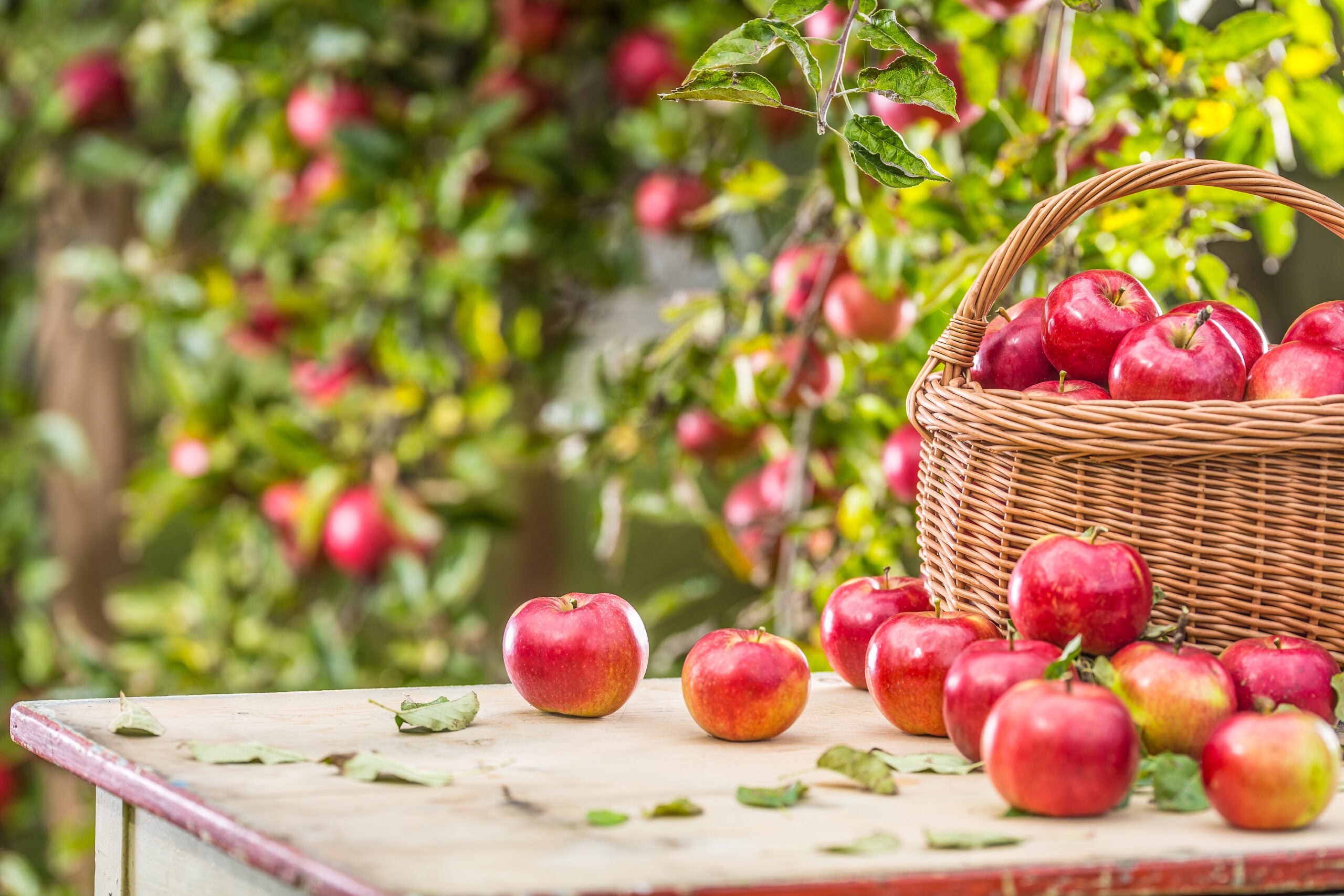
Every September I come home from the orchard with more apples than any reasonable person needs. It happens the same way every year. We go for one bag, Danny carries out three, and then I see the bin of seconds by the register and buy those too because they are half price and there is nothing wrong with them except a bruise or a funny shape. Then the whole haul sits on the kitchen counter in the farmhouse looking beautiful for about four days until I have to do something with it.
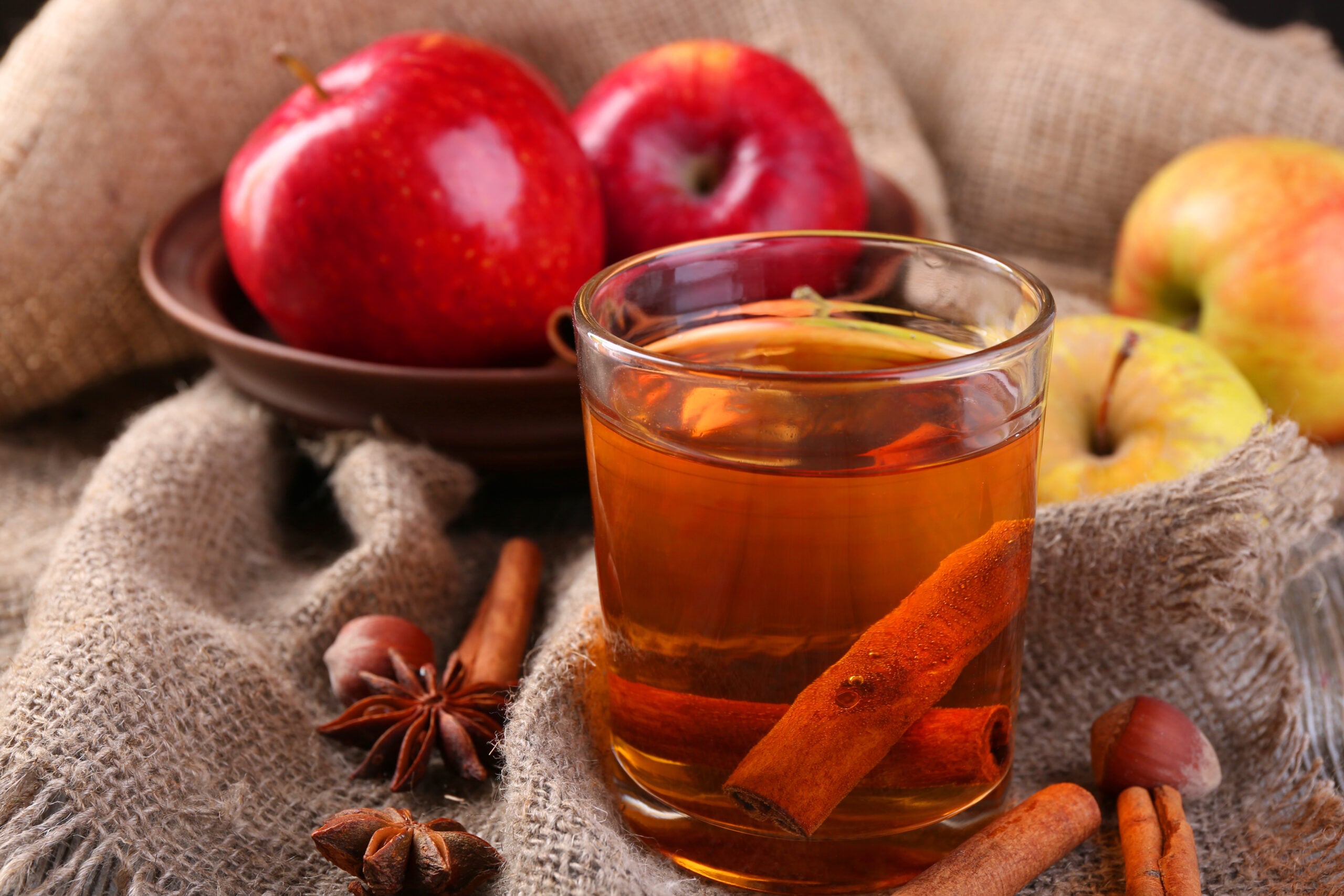
Homemade apple cider is what I do with the ugly ones. It is the easiest of the three things I make from a bushel of apples, easier than a big batch of applesauce and much easier than apple butter in the crockpot, because you do not have to peel or core a single thing. You quarter them, you cover them with water, you walk away. The house smells like fall for eight hours and at the end of it you have something that tastes nothing like the jug from the grocery store.
What you actually need
Apples, water, and time. That is the whole thing. Spices are optional and I go back and forth on them.
About ten pounds of apples. That fills my six quart slow cooker and gives me roughly two and a half quarts of cider. Use a mix if you can. All sweet apples give you cider that tastes flat after the first cup, and all tart apples give you something you will want to add sugar to. I use about two thirds sweet (Honeycrisp, Gala, Fuji, whatever the orchard has too many of) and one third tart, usually Granny Smith or Jonathan. If you only have one kind, it still works. It just tastes more like one note.
The bruised ones are fine. The small ones are fine. The ones with a soft spot are fine if you cut the soft spot out. This is the recipe that forgives a sad-looking apple, which is the whole reason I make it.
Water. Enough to cover the apples by an inch or two, no more. Every extra cup of water is a weaker cup of cider.
Spices, if you want them. Three or four cinnamon sticks, a teaspoon of whole cloves, maybe a strip of orange peel. I skip the cloves half the time because Lochlan drinks this too (watered down, in a sippy cup, at a temperature I have tested on my own wrist twice) and cloves are strong. Ground spices will work but they make the cider cloudy and slightly gritty at the bottom of the mug. Whole is worth it here.
Sugar, probably not. I have never added any. The apples are sweeter than you expect once they cook down. Taste it at the end and decide then, which is better than committing at the start.
How I make it
Wash the apples and quarter them. Leave the skins on, leave the cores in, leave the seeds. All of it goes in the pot. The skins are where a lot of the color comes from, and the cider comes out a deep russet instead of pale yellow because of them.
Put the quartered apples in the slow cooker, tuck the cinnamon sticks and cloves in among them, and add water until everything is covered by an inch or so. Lid on. Low for eight hours, or high for about four if you started too late in the day, which I do most years.
At the end of the cook time the apples will be completely collapsed. Take a potato masher and mash everything right in the pot. Be thorough about it. This is the step that takes it from apple water to cider, and the first year I made it I was too gentle and wondered why it tasted thin. Then put the lid back on and give it another hour on low.
Now strain. I set a fine mesh strainer over a big bowl and ladle the whole mess in, pressing on the solids with the back of the ladle to get everything out. Then I strain a second time through the same sieve lined with a doubled piece of cheesecloth, which catches the fine sediment. You can skip the second pass if you do not mind a cloudy cider. I do two because I like how it looks in a glass jar on the counter.
Taste it warm. If it is too strong, add water. If it is not sweet enough, a spoonful of maple syrup does more for it than white sugar does.
What to do with everything left in the pot
This is the part most cider recipes skip, and it bothers me, because after you strain you are looking at four or five cups of hot apple pulp and the instinct is to dump it. Do not dump it.
Push it through the sieve one more time, hard, with a spatula, and what comes through is essentially a spiced applesauce. The skins and seeds and cinnamon sticks stay behind and you throw those out. What you get is thinner than my usual applesauce and darker, because it has been cooking all day, and it goes into muffins and oatmeal and on top of yogurt all week. Lochlan eats it by the spoonful and does not care that it started out as cider leftovers.
If you have chickens or a compost pile, the skins and seeds go there. Ours go to the compost bin behind the garden, and Dewey supervises the walk out there like it is the most important job on the property.
How long it keeps
In the fridge, about a week. I have pushed it to nine days and it was fine, but it starts to get a little fizzy after that, which is fermentation beginning and is your sign to stop.
In the freezer, three months easily. This is what I actually do with most of it. I fill wide mouth quart jars, leave a good two inches of headspace at the top because liquid expands, and put them in the chest freezer. Wide mouth jars only. I cracked two regular-mouth jars my first fall doing this and learned that lesson the expensive way.
The other thing I do is freeze a tray of cider ice cubes. They go in a bag once they are solid and they are what saves me in January, when I want the smell of fall in the house and there is not an apple in sight. Four or five cubes in a mug, ninety seconds in the microwave, done.
One note on safety, because it comes up. Homemade cider is not pasteurized in the way store cider is, though simmering it for eight hours at slow cooker temperatures does most of that work. If you are pregnant, or serving someone elderly or immune compromised, bring it to a real boil for a minute before serving and you are set. I do this without thinking about it now. I have an autoimmune disease and I would rather spend one extra minute at the stove than gamble on it.
🛒 A few things I use for this
Nothing here is special. Most of it you probably own already.
- A six quart slow cooker, which is the size that fits ten pounds of apples with room for water
- A sturdy potato masher for the step that makes all the difference
- A fine mesh strainer and unbleached cheesecloth for the second pass
- Wide mouth quart mason jars for freezing, and please do not use the regular mouth ones
As an Amazon Associate I earn from qualifying purchases.
A few things I get asked
Is this the same as apple juice? No, and the difference is the part you strain out. Juice is filtered until it is clear and usually pasteurized. Cider keeps the fine pulp, which is where the flavor and the color live. If yours comes out looking like the clear stuff in the juice aisle, you strained too aggressively.
Can I do it on the stove instead? Yes. Big stockpot, same ingredients, simmer covered on low for about two hours, mash, then another hour uncovered. It is faster and it needs you in the kitchen, which is the trade. The slow cooker version exists because on a lot of days I would rather start something and walk away from it.
What about a pressure cooker? Forty minutes at high pressure, natural release, then mash and strain. It works, and it tastes good, and I still prefer the slow version because the house smelling like cinnamon and apples for a whole afternoon is half of why I make it.
Do I have to use the whole apple? You do not have to, but you should. The peels carry the color and the cores carry pectin and flavor. Peeling ten pounds of apples for cider is work you do not need to do.
Why I keep making it
The honest reason is that it is one of the few from-scratch things that asks almost nothing of me. I have written before about what cooking from scratch looks like on low-energy days, and this belongs on that list. Quartering apples is something I can do sitting at the kitchen table with Lochlan in his high chair next to me, handing him slices while I work. Everything after that is the slow cooker’s job.
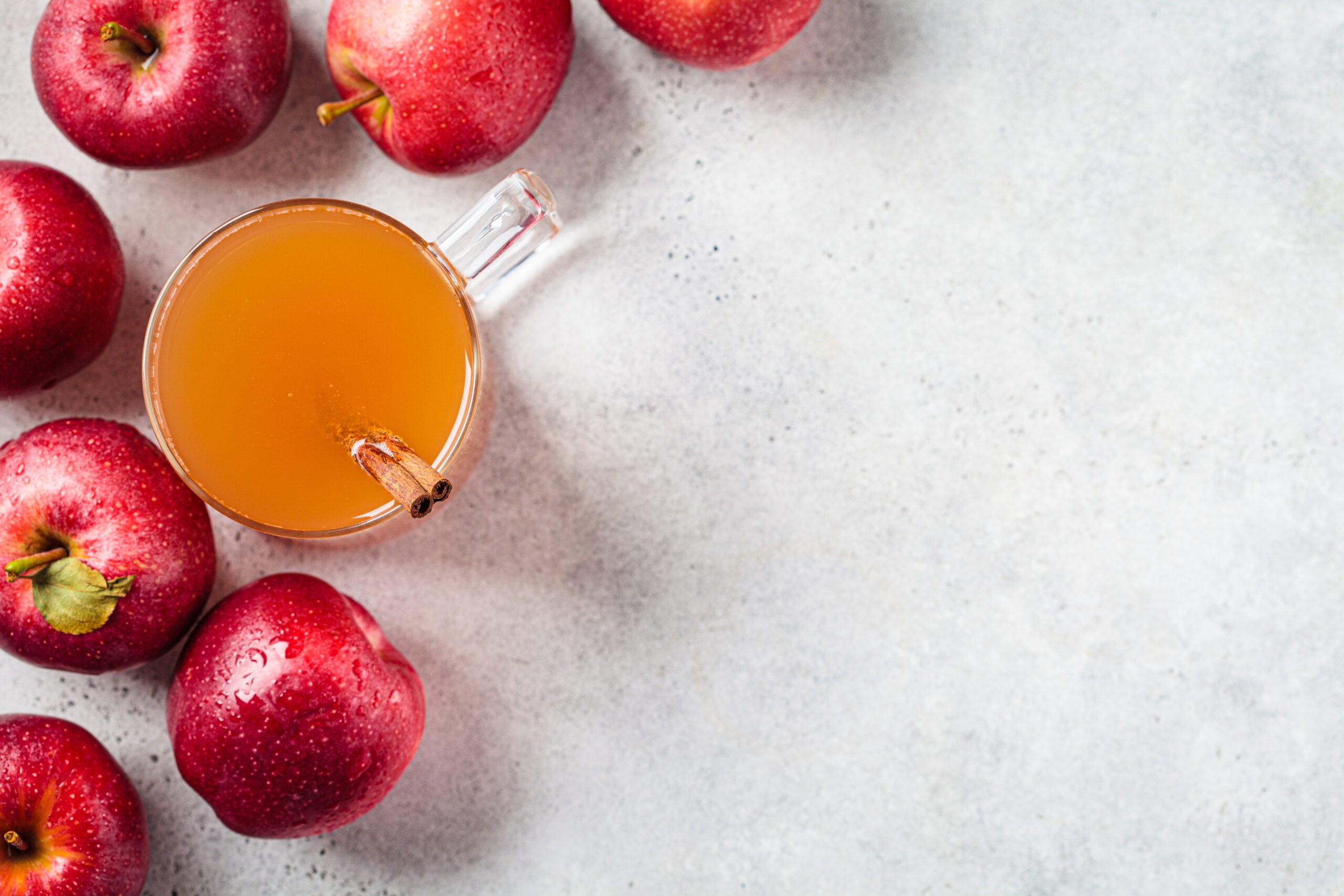
And then the whole house smells like it for the rest of the day, which is the kind of thing I used to try to buy in a candle. It turns out the cozy I was after was mostly just something cooking.
If you have a counter full of apples right now and no plan for them, start here. The ugly ones first.

